
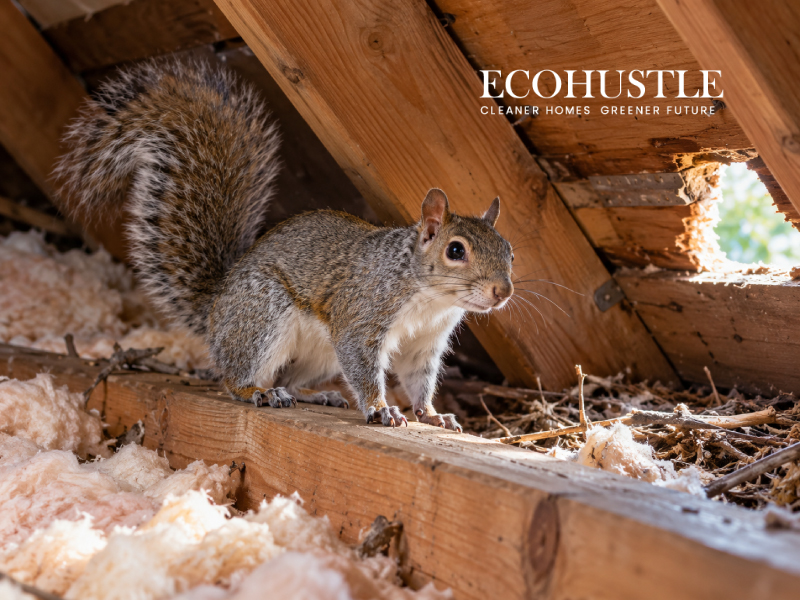
Hearing scratching or movement above your ceiling can be unsettling, especially when you cannot see what is causing it. Squirrels are one of the animals that can find their way into attics through small openings around roofs, vents, and other exterior areas.
So, how do you know if squirrels have gotten into your attic? The answer usually comes down to a combination of sounds, visible signs, nesting activity, and damage around your property.
If you suspect squirrels are living in your attic, identifying the problem early can help prevent additional property damage. Professional Squirrel Removal Services From Attic and Home can help homeowners understand where the animals are entering and what steps can be taken to protect the property.
What Are the Signs of Squirrels in Your Attic?
Squirrels are active animals, and their presence can often be noticed even when they remain hidden.
Some of the most common signs include:
- Scratching or running sounds
- Movement above ceilings
- Nesting materials in the attic
- Damaged insulation
- Chewed materials
- Damage around roof openings
- Squirrels repeatedly entering the roof area
- Unusual activity during the day
If you notice several of these signs at the same time, there may be wildlife activity inside your attic.
Do Squirrels Make Noise in the Attic?
Yes, squirrels can make noticeable sounds when they move around an attic.
You may hear scratching, running, or movement, particularly when squirrels are entering, leaving, or moving around their nesting area.
However, noise alone does not confirm that squirrels are responsible. Other wildlife or rodents can also create sounds inside walls, ceilings, and attic spaces.
That is why identifying the source of the activity is an important first step before deciding how to handle the problem.
How Do Squirrels Get Into Attics?
Squirrels can use openings around the exterior of a home to gain access to an attic.
Potential entry points can include:
- Roof gaps
- Damaged vents
- Openings around rooflines
- Weak areas of exterior structures
- Other small openings around the home
Once they find an accessible opening, squirrels may use the attic as a sheltered place to rest or build a nest.
Regularly checking the exterior of your home can help identify potential vulnerabilities before they become a bigger issue.
Can Squirrels Damage Your Home?
Squirrels inside an attic can cause damage if the problem continues.
They may disturb insulation, chew materials, or create nesting areas. Depending on where they move through the property, their activity can affect different parts of the home.
Potential concerns include:
Insulation Damage
Squirrels may disturb insulation while creating or accessing nesting areas.
Chewed Materials
Squirrels naturally chew, and their activity can damage certain materials inside an attic.
Roof and Entry Point Damage
Existing openings may become larger or more vulnerable as animals repeatedly use them.
Nesting Debris
Nesting materials can accumulate in hidden areas and make cleanup more difficult.
For these reasons, homeowners should not ignore repeated signs of squirrel activity.
What Should I Do If I Find a Squirrel in My Attic?
If you discover signs of squirrels in your attic, avoid chasing or handling the animal yourself.
Instead, try to determine where the activity is occurring and keep people and pets away from the affected area.
A professional assessment can help determine:
- Whether squirrels are actually present
- Where they are entering
- Which areas may have been affected
- What exclusion or prevention steps may be appropriate
Professional Safe Squirrel Control and Exclusion Services focus on addressing the animal activity while also considering how to prevent future access.
How Does Professional Squirrel Removal Work?
Professional squirrel removal generally begins with an assessment of the property.
Property Inspection
The first step is identifying signs of activity and potential entry points around the home.
The inspection may focus on areas such as the roof, attic, vents, and other exterior access points.
Identifying Entry Points
Once the activity is understood, potential access points can be identified.
Finding the entry point is important because simply removing an animal does not necessarily prevent another one from entering later.
Safe Removal
The appropriate removal approach depends on the situation, the location, and the animal activity present.
Professional wildlife services can help manage the situation using responsible methods.
Exclusion and Prevention
After addressing the immediate problem, vulnerable areas can be evaluated for exclusion.
This helps reduce the opportunity for squirrels to return through the same opening.
What Is Squirrel Infestation Removal From Roof and Attic?
When squirrels repeatedly enter a roof or attic, the problem may involve more than one animal or more than one access point.
Squirrel Infestation Removal From Roof and Attic focuses on addressing ongoing squirrel activity and identifying the conditions allowing the animals to access the property.
A complete approach may involve:
- Inspecting the roof
- Checking attic areas
- Identifying entry points
- Addressing active wildlife activity
- Recommending preventative measures
This approach helps homeowners focus on the underlying problem rather than only dealing with the visible symptoms.
How Can I Prevent Squirrels From Returning?
Removing squirrels is only part of protecting your home. If an opening remains accessible, another squirrel may eventually find it.
Several maintenance steps can help reduce the risk of future wildlife entry.
Check Your Roof
Look for damaged areas, openings, or vulnerable sections around the roofline.
Inspect Vents
Damaged or unsecured vents can provide access to attic spaces.
Maintain Nearby Trees
Branches close to the roof can provide wildlife easier access to elevated areas of your property.
Address Exterior Damage
Repairing vulnerable areas can reduce potential entry opportunities.
Consider Professional Exclusion
If squirrels have already entered your attic, professional exclusion can help identify and address the access points responsible for the problem.
What Is Attic Wildlife Control?
Attics can attract different types of wildlife because they provide shelter and protection from outdoor conditions.
Attic Wildlife Control Services focus on identifying unwanted animal activity and helping homeowners protect these areas of their property.
Squirrels are only one potential attic visitor. Depending on the property, homeowners may also encounter other wildlife or rodents.
The important thing is to identify the animal correctly before choosing a removal or prevention strategy.
When Should I Call a Professional?
You do not have to wait until you see a squirrel inside your home before seeking help.
Consider professional assistance if you notice:
- Repeated scratching sounds
- Wildlife entering your roof
- Visible nesting materials
- Damaged insulation
- Chewed materials
- Repeated activity in your attic
- An opening that appears to be used by wildlife
Early attention can help homeowners understand the problem before additional damage occurs.
If you are searching for Squirrel Removal Services From Attic and Home, a professional assessment can provide a clearer idea of what is happening and what steps should come next.
Why Is Prevention Important?
A temporary solution may not be enough if the underlying access point remains open.
House Squirrel Damage Prevention Services focus on reducing the conditions that allow squirrels to enter and helping homeowners protect vulnerable parts of their property.
Prevention is especially important after an animal has already found a way into the attic.
The goal is to make the property less accessible while maintaining a safe and practical solution for the homeowner.
Why Choose EcoHustle for Squirrel Removal?
EcoHustle provides professional wildlife solutions for homeowners dealing with squirrel activity around their properties.
Our approach focuses on identifying the problem, addressing wildlife activity responsibly, and helping homeowners reduce the likelihood of future entry.
We serve homeowners throughout Metro Vancouver and surrounding communities with property protection and wildlife management solutions.
Whether you have noticed noises in your attic, found signs of nesting, or seen squirrels repeatedly accessing your roof, EcoHustle can help you determine the next appropriate step.
Final Thoughts
So, how do you know if squirrels have gotten into your attic?
Listen for unusual scratching or movement, look for nesting materials and damaged insulation, and check your roof and exterior for possible entry points.
If you suspect squirrels are inside your attic, it is better to address the problem early rather than allowing the activity to continue. Professional squirrel removal can help identify the source of the problem, manage the wildlife activity, and provide prevention recommendations.
With the right approach, homeowners can protect their attic, reduce potential damage, and make their property less vulnerable to future squirrel problems.
FAQs
How do I know if squirrels are in my attic?
Common signs include scratching or running sounds, nesting materials, damaged insulation, chewed materials, and squirrels repeatedly entering or leaving the roof area.
What should I do if I hear squirrels in my attic?
Avoid disturbing the animals and keep children and pets away from the affected area. A professional inspection can help identify the source of the activity.
Can squirrels damage attic insulation?
Yes. Squirrels may disturb or damage insulation while creating or accessing nesting areas.
How do squirrels get into attics?
Squirrels can enter through openings around rooflines, vents, damaged exterior areas, and other vulnerable points around a property.
How can I prevent squirrels from returning?
Inspect and maintain roof areas, vents, and other potential entry points. Professional exclusion can also help address vulnerabilities that may allow squirrels to return.
Is squirrel removal from an attic necessary?
If squirrels are actively living inside an attic, professional removal and prevention can help reduce the risk of continued property damage and recurring wildlife activity.