
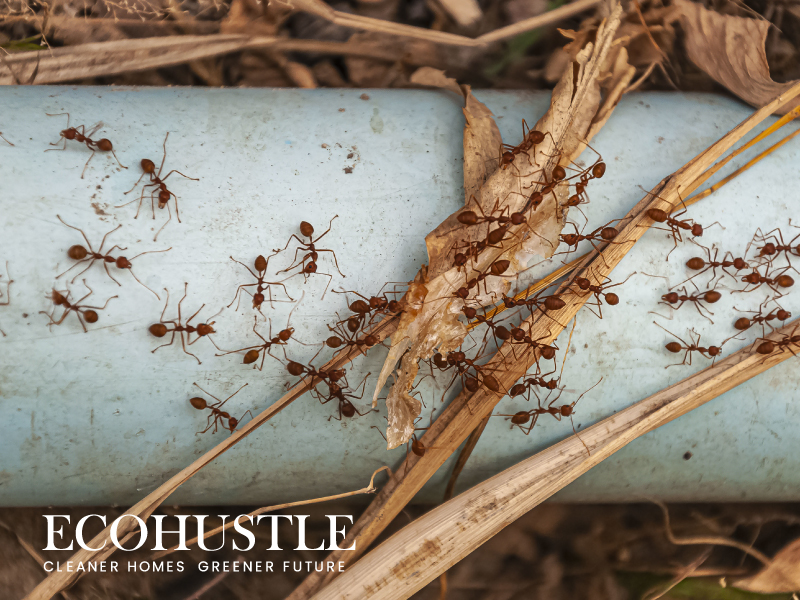
You clean the kitchen, wipe down the counters, and think the ants are finally gone. Then, a day or two later, they return, marching along the backsplash, gathering near the sink, or appearing around the pet food bowl. Sound familiar?
For many homeowners, dealing with ants can feel like an endless cycle. You remove the ones you can see, but more seem to show up in their place. The reason is simple: getting rid of visible ants doesn’t always address the source of the problem.
If you’re noticing ants in your house in Burnaby, there may be an accessible food source, excess moisture, a hidden entry point, or a nest nearby. Understanding why ants keep coming back is the first step toward lasting ant infestation prevention.
In this guide, we’ll explore the common reasons ants return, practical ways to help prevent them, and when professional pest control may be worth considering.
Why Do Ants Keep Coming Back?
Ants are persistent for a reason. They are constantly searching for food, water, and suitable places to nest. Once worker ants discover a reliable source, they can leave scent trails that help other ants follow the same route.
This is why spraying or wiping away the ants you see may provide only temporary relief. If the underlying attraction remains, more ants may continue to arrive.
Here are some of the most common reasons ants return to Burnaby homes.
1. Food Crumbs and Sticky Surfaces Attract Ants
Even a clean-looking kitchen can offer enough food to attract ants. A few crumbs beneath the toaster, a drop of juice on the counter, or residue around a recycling bin can become an easy meal.
Ants may be attracted to:
- Sugar, honey, syrup, and sweet drinks
- Crumbs around tables and kitchen appliances
- Unsealed pantry products
- Grease or food residue near the stove
- Pet food left out for long periods
What you can do: Wipe counters after preparing meals, sweep or vacuum crumbs, clean spills promptly, and store pantry staples in tightly sealed containers. Rinse food packaging before placing it in the recycling bin, and clean the area around pet bowls regularly.
Removing these food sources makes your home less attractive to foraging ants.
2. Moisture Around Sinks and Pipes Can Attract Ants
Food isn’t the only thing ants need. Water is essential, and some ants are drawn to damp areas around the home.
Check beneath kitchen and bathroom sinks, around plumbing connections, near dishwashers, and beside washing machines. Dripping taps, leaking pipes, condensation, and damp cupboards can create conditions that encourage pest activity.
Outside, clogged drainage areas or persistently damp spots near the foundation may also deserve attention.
What you can do: Repair leaks, dry wet surfaces, improve ventilation where needed, and avoid leaving standing water in containers. If you notice recurring dampness or unexplained water damage, address the moisture problem rather than treating the ants alone.
3. Ants Are Finding Their Way Through Tiny Gaps
Ants don’t need a large opening to enter a house. Small cracks and gaps around window frames, doors, utility lines, foundations, and plumbing penetrations may provide convenient routes indoors.
In Burnaby, changing weather can also encourage ants to explore sheltered spaces around homes in search of food, moisture, or nesting opportunities.
Look for ants travelling along baseboards, window sills, exterior walls, or pipes. Following their trail without disturbing it immediately may help you identify where they are entering.
What you can do: Seal suitable gaps with an appropriate caulking or weather-sealing product. Repair damaged door sweeps and window screens, and inspect areas where cables or pipes enter the building. If ants keep appearing at the same location, investigate the source instead of repeatedly treating the trail.
4. An Ant Nest May Be Nearby
Sometimes, the problem isn’t inside your kitchen at all. An ant colony may be nesting outdoors near the foundation, beneath paving stones, in garden beds, or around other sheltered areas. Some species may also establish nests within parts of a building.
Worker ants that enter your home are usually searching for resources for the colony. Removing these workers doesn’t necessarily eliminate the nest or stop other ants from following the same route.
What you can do: Observe where ants are travelling and check the surrounding area for signs of activity, without digging into a nest or disturbing it unnecessarily. Avoid applying random products around the foundation, especially where children, pets, or beneficial insects could be exposed.
If ants continue returning despite cleaning and sealing likely entry points, a professional assessment can help determine what is attracting them and whether a nest may be involved.
5. Outdoor Landscaping Can Create a Convenient Route Indoors
Your yard can influence how easily ants reach your home. Branches touching exterior walls, vegetation growing against the foundation, and debris accumulated near the building can provide sheltered routes or potential nesting spots.
Mulch, stones, and garden materials aren’t automatically a problem, but conditions around them may support ant activity particularly when moisture and food sources are also present.
What you can do: Trim vegetation away from the exterior where practical, keep the foundation area tidy, remove decaying organic debris, and avoid allowing soil or landscaping materials to block vents or cover vulnerable parts of the building.
The goal isn’t to eliminate your garden. It’s to reduce easy access and make it less likely that ants will find a convenient route indoors.
6. You May Be Treating the Symptoms, Not the Cause
When ants appear, it’s tempting to reach for the first spray or household remedy available. These approaches may kill visible ants, but they don’t always reach the colony or resolve the reason ants are entering.
Some ant species also respond differently to different treatments. Using the wrong product or applying it incorrectly may fail to solve the problem and can create unnecessary exposure risks.
A better approach is to identify the pattern first. Notice where ants appear, what they seem to be attracted to, and whether the activity returns after cleaning. Avoid mixing cleaning chemicals or pest-control products, and always follow label instructions.
Homeowners looking for Safe Pest Control Solutions for Homes should focus on targeted prevention, careful product use, and an approach suited to the particular pest rather than relying on repeated, indiscriminate spraying.
7. Seasonal Conditions Can Change Ant Activity
Ant activity often becomes more noticeable during warmer periods, when colonies forage actively. Rain, dry conditions, and changes in outdoor moisture may also affect where ants search for resources.
That doesn’t mean every ant problem is seasonal. If ants repeatedly appear indoors, the home may offer a dependable food source, moisture, or access point that remains attractive throughout the year.
For Burnaby homeowners, the most useful strategy is to combine seasonal checks with regular home maintenance. Inspect entry points, keep food sealed, and address leaks before they become recurring problems.
How to Prevent Ants in Your Home: A Practical Checklist
If you’re wondering how to prevent ants in your home, consistency matters more than a single quick fix. Use this checklist to reduce common attractants and entry routes.
- Keep food sealed: Store dry goods in secure containers and clean food spills promptly.
- Clean hidden areas: Check beneath appliances, around rubbish bins, and along kitchen edges.
- Manage moisture: Repair leaks and dry damp areas around sinks and plumbing.
- Seal entry points: Close appropriate cracks and gaps around windows, doors, and utility openings.
- Maintain the exterior: Trim vegetation away from the building and remove accumulated debris.
- Monitor recurring trails: Note where ants enter and whether activity returns after cleaning.
- Use products carefully: Follow all label directions and keep treatments away from children and pets as instructed.
- Seek help when needed: Repeated activity, suspected indoor nesting, or uncertainty about the ant species may call for a professional inspection.
These steps support ant infestation prevention by addressing the conditions that allow ants to find food, water, and access to your home.
When Should Burnaby Homeowners Consider Professional Pest Control?
A few ants near an open food container may be easy to address with cleaning and better storage. A persistent trail that returns day after day can be more difficult to resolve.
Consider seeking professional advice if:
- Ants repeatedly return after you clean and seal obvious gaps.
- You notice activity in several rooms.
- Ants appear to be coming from inside a wall, cupboard, or other concealed area.
- You cannot identify the entry point or likely source.
- You’re unsure which control method is appropriate for the ants you’re seeing.
When comparing Local Pest Control and Prevention Services, look for a provider that assesses the situation, explains the likely cause, and recommends a suitable plan. If you’re searching for Eco Friendly Pest Control Services Near Me, ask what methods are used, how products are selected, and what precautions are needed around children, pets, and beneficial insects.
A responsible approach should focus on understanding the infestation and reducing the conditions that allow it to continue not simply treating the ants you can see.
For homeowners who prefer a prevention-focused approach, Natural Pest Control Treatment for Houses may be worth discussing with a qualified provider. Keep in mind that “natural” does not automatically mean harmless or effective in every situation. The right option depends on the ant species, location, and circumstances.
Final Thoughts
If ants keep appearing in your home, it doesn’t necessarily mean you’re doing something wrong. They may have found a dependable food source, a damp area, a small opening, or a nearby nest that keeps sending worker ants indoors.
The most effective first steps are straightforward: clean up food residue, manage moisture, seal suitable entry points, and monitor where ants are travelling. If the problem continues, consider a professional assessment to identify the cause and determine the most appropriate next steps.
For Burnaby homeowners, lasting ant prevention starts with understanding why ants are entering in the first place. Addressing those conditions can help make your home less inviting to unwanted visitors.
FAQs
1. Why do ants keep coming back after I spray them?
Spraying may kill visible ants without addressing the nest, entry point, or food source. Other worker ants may continue following established scent trails. Identifying and correcting the underlying cause is often more useful than repeatedly treating the same area.
2. What attracts ants inside a house in Burnaby?
Common attractants include food crumbs, sugary spills, unsealed pantry products, pet food, moisture, and accessible gaps around doors, windows, pipes, or foundations. Ants may also be entering from a nearby outdoor nest.
3. How can I prevent ants from entering my home?
Store food in sealed containers, clean spills quickly, repair leaks, dry damp areas, seal suitable cracks, and keep vegetation and debris from creating easy routes to the building. Monitor recurring trails to help locate the source.
4. Are natural ant-control methods always safe?
No. Natural substances and essential oils can still irritate people or harm pets and other organisms, and their effectiveness varies. Use any pest-control product according to its label, and choose a method appropriate for the ant species and the location.
5. When should I contact a pest-control professional?
Consider professional advice when ants return repeatedly, appear in multiple rooms, seem to be nesting inside the building, or continue despite basic cleaning and exclusion measures. A professional can assess the activity and recommend a suitable response.
6. Does killing the ants I see get rid of the colony?
Not necessarily. The ants you see may be workers foraging for a larger colony. The outcome depends on the species, nest location, and control method. That is why identifying the source is important.
7. Can landscaping contribute to an ant problem?
It can. Vegetation touching the building, damp areas, and debris near the foundation may provide sheltered routes or nesting opportunities. Maintaining the exterior and reducing easy access can help lower the chance of ants entering.
8. What should I look for when choosing local pest-control services?
Look for a provider that explains its inspection process, identifies the likely cause, discusses prevention options, and gives clear safety instructions. Ask which methods are appropriate for your situation and what follow-up may be needed.